May 15 2026
Springtime means a return to the diamond, the track, and the soccer pitch. Young athletes across our community are eager to lace up their cleats and get back in the game. But this enthusiasm often brings an unwelcome companion: the overuse injury.
Unlike acute injuries caused by a single sudden event, overuse injuries develop slowly over time. They result from repetitive micro-trauma to the tendons, bones, and joints. When a young body does not have adequate time to heal between practices, games, and private coaching sessions, tissue damage steadily accumulates.
For young athletes, these injuries present a unique challenge because their bodies are still developing. We want to keep your young athlete off the sidelines and in the game. This guide explores the biomechanics behind youth sports injuries, specific conditions to watch for, and how Sagewell Orthopaedics provides expert care to ensure a safe return to play.
The Biomechanics of Growing Bodies
To understand why young athletes are so susceptible to overuse injuries, you have to look at how their bodies grow. Children and adolescents have growth plates, which are areas of developing cartilage tissue near the ends of long bones. These plates determine the future length and shape of the mature bone.
Because growth plates are the last portion of the bone to harden, they are highly vulnerable to stress. In fact, the growth plate is often weaker than the surrounding ligaments and tendons. When repetitive stress is applied to a young joint, the tendon pulling on the bone can irritate or even separate the growth plate. This condition, known generally as apophysitis, is a primary driver of youth sports pain.
Furthermore, bones often grow faster than the attached muscles and tendons during a growth spurt. This creates a natural tightness in the body. When you combine this biological tightness with the repetitive motions of throwing, running, or kicking, the risk of structural irritation skyrockets.
High-Risk Overuse Injuries to Watch For
Different sports place unique repetitive demands on specific parts of the body. Recognizing the conditions associated with your child's chosen sport is the first step in early intervention. Our team frequently diagnoses and treats several common overuse injuries during the spring season.
Little League Shoulder and Elbow
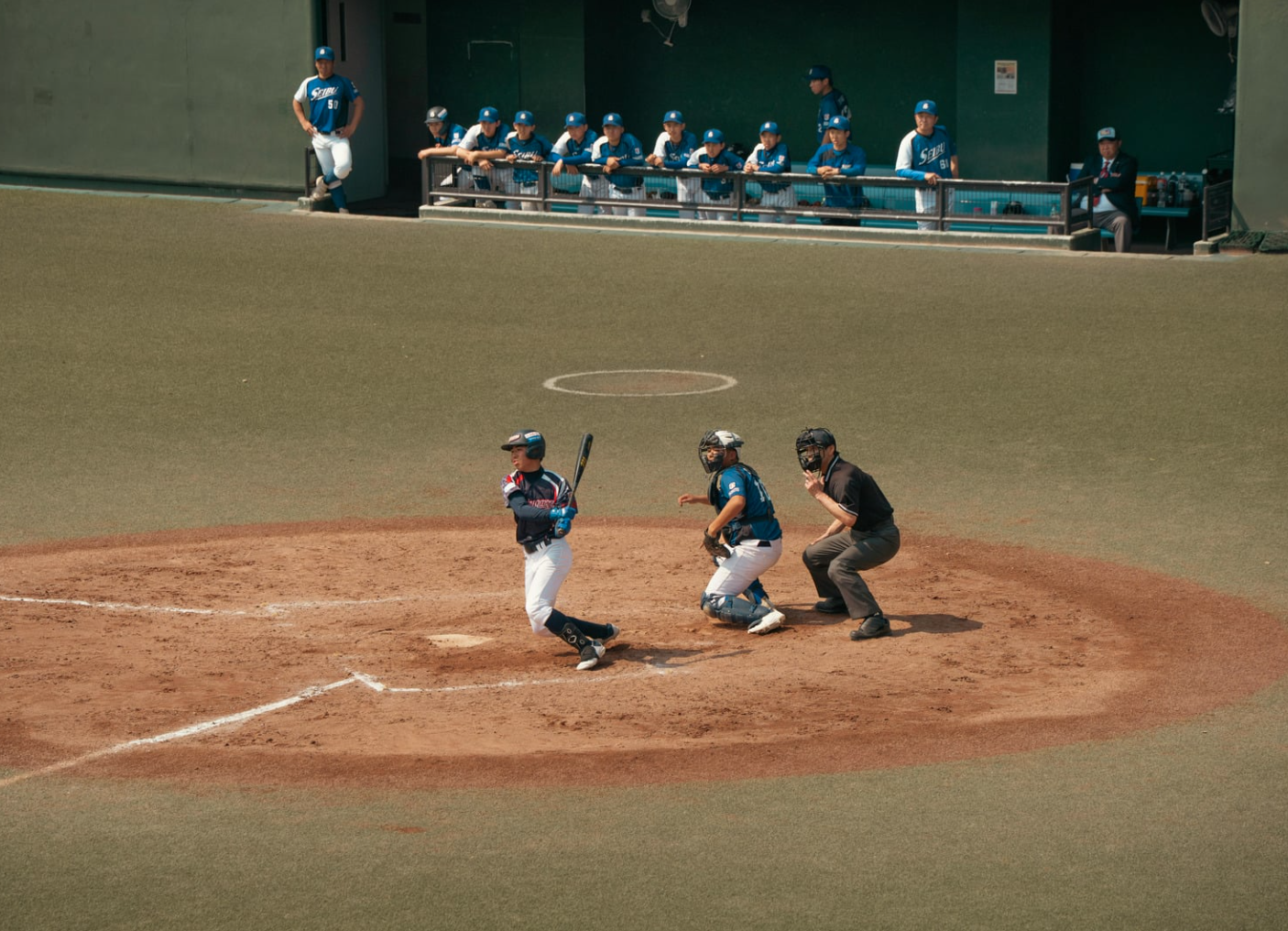
Baseball and softball players put immense repetitive stress on their throwing arms. Little League Shoulder involves inflammation of the growth plate at the upper end of the arm bone (humerus). Similarly, Little League Elbow affects the growth plate on the inner side of the elbow.
Athletes with these conditions usually complain of pain during or immediately after throwing. You might also notice a decrease in their throwing velocity or a sudden change in their throwing mechanics as they subconsciously try to avoid the pain.
Osgood-Schlatter Disease
This condition is incredibly common among young athletes who play sports requiring a lot of running and jumping, such as soccer and track. Osgood-Schlatter disease causes pain and swelling just below the knee, where the patellar tendon attaches to the shinbone.
During activities that demand strong quadriceps contractions, the tendon pulls repeatedly on the growth plate of the shinbone. This causes inflammation and, in some cases, a visible bony bump. The pain usually worsens with activity and subsides with rest.
Sever's Disease
Sever's disease is the most frequent cause of heel pain in children between the ages of 8 and 14. Similar to Osgood-Schlatter, it is an inflammation of a growth plate; this time in the heel bone.
Every time a young athlete's foot strikes the ground, the Achilles tendon pulls on the back of the heel. Hard playing surfaces and unsupportive cleats often exacerbate the issue. Children with Sever's disease may limp off the field or complain of severe tenderness when the back of their heel is squeezed.
Shin Splints
Medial tibial stress syndrome, commonly known as shin splints, affects runners and athletes who frequently play on hard surfaces. It involves pain along the inner edge of the shinbone.
Shin splints occur when the muscles, tendons, and bone tissue around the tibia become inflamed from repetitive impact. If ignored, the continuous stress can progress into a stress fracture, which requires a much longer and more restrictive recovery period.
Strategic Prevention for Young Athletes
The best treatment for an overuse injury is preventing it from happening in the first place. Parents and coaches play a crucial role in monitoring workloads and promoting healthy athletic habits.
Enforce Pitch Counts and Rest Days
Guidelines for pitch counts exist for a reason. Adhering to strict limits on how much an athlete throws in a single day, and mandating appropriate rest days, protects their developing shoulder and elbow joints.
This concept applies beyond baseball. Runners should increase their weekly mileage gradually, by no more than 10 percent each week. Soccer players need days off where they avoid repetitive kicking and sprinting drills to let their muscles recover.
Emphasize Dynamic Warm-Ups
Cold, stiff muscles transfer more impact force directly to the bones and joints. Before practices and games, young athletes should complete a thorough dynamic warm-up.
Dynamic stretching involves active movements that increase blood flow and mimic the actions of the sport. High knees, leg swings, and walking lunges prepare the tendons and ligaments for the demands of the game. Static stretching (holding a pose) should be reserved for post-game cool-downs.
Encourage Sport Diversification
Specializing in a single sport year-round drastically increases the risk of overuse injuries. When a child plays the exact same sport 12 months a year, they stress the exact same muscle groups and joints continuously.
Encourage your young athlete to play different sports throughout the year. The varied movements of basketball, swimming, or cycling allow overused baseball or soccer muscles to rest while still building overall athletic coordination and cardiovascular fitness.
Recognizing the Red Flags
It is normal for athletes to experience mild muscle soreness after a tough practice. However, joint pain and structural pain are never normal. Parents must learn to differentiate between typical fatigue and an injury requiring medical attention.
Pay close attention if your child complains of pain that consistently worsens during activity. Pain that lingers long after the game is over, or pain that disrupts their sleep, is a clear warning sign. Additionally, any visible swelling, changes in their running gait, or a sudden drop in athletic performance warrants an evaluation.
Do not tell a child to simply "push through the pain." Pushing through an overuse injury almost always transforms a minor, easily treatable inflammation into a severe, season-ending condition.
Expert Treatment at Sagewell Orthopaedics
When rest and ice are not enough, Sagewell Orthopaedics is here to help your young athlete recover fully and safely. Our commitment to the Lincoln sports community runs deep, we’re proud to be sponsoring the Lincoln NW Summer Baseball team again this year, supporting athletes on and off the field.
It’s important to know that both athletic trainers and physical therapists play vital, but distinct, roles in our approach to injury management and prevention. Our athletic trainers, like Casey R. Scott, MATC, ATC, LAT, Megan Neemann, MS, LAT, ATC, and Mike Livergood, MS, LAT, ATC, are on the front lines. They provide immediate care, oversee injury assessments, and help athletes safely return to play. Working alongside our clinical and physical therapy teams, they serve as crucial liaisons between athletes, families, and coaches, addressing everything from acute issues to the underlying movement patterns that contribute to overuse injuries.
With this collaborative team in place, you can trust Sagewell Orthopaedics to support your athlete with comprehensive, expert-backed care; whether they’re at practice, on game day, or working their way back from injury.
Comprehensive Diagnostics
Our approach begins with a precise diagnosis. We utilize advanced, onsite imaging to evaluate the exact condition of the bones, growth plates, and soft tissues. This allows our team to rule out stress fractures and determine the exact severity of the overuse injury. We look at the whole athlete, evaluating their biomechanics and joint stability.
Conservative and Regenerative Care
We prioritize non-invasive treatments to get kids back on the field. Physical therapy is often a cornerstone of our treatment plans. Our physical therapists help young athletes correct muscular imbalances, improve their flexibility, and refine their sports mechanics to prevent future injuries.
For stubborn tendon issues, we also offer advanced regenerative treatments like Platelet-Rich Plasma (PRP) therapy. PRP utilizes the body's natural healing properties to accelerate tissue repair and lower inflammation, offering an excellent solution for chronic overuse injuries that resist traditional rest.
A Safe Return to Play
Healing the tissue is only half the battle. Returning to the sport too quickly is the leading cause of re-injury. We partner with parents, coaches, and physical therapists to design a structured, step-by-step return-to-play protocol.
This ensures that the athlete gradually rebuilds their strength and sport-specific endurance without overwhelming the newly healed tissues. We make sure they are truly ready for the demands of the game.
Keep Your Athlete in the Game
Youth sports provide incredible physical and social benefits, but preserving your child's joint health must remain the top priority. By understanding the risks of overuse, implementing smart prevention strategies, and seeking early intervention, you can help them enjoy a healthy spring season.
If your young athlete is battling persistent pain, do not wait for the injury to worsen. Experience orthopaedic care built on expertise, compassion, and a strong commitment to our local athletic community.
Call us today at 402-466-0100 to schedule a consultation. Let us help your child move better, recover faster, and return to the sports they love with confidence.