
January 3 2026
Now that winter is here, the colder temperatures often bring more than just a chill in the air; they can also cause noticeable changes in how our joints feel. For many older adults, this season means increased stiffness, aching, and a sense that everyday movements are just a bit harder than usual.
If you have noticed that getting out of a chair takes an extra moment, or that your morning walk feels less fluid than it did in July, you aren't imagining things. Winter weather can have a tangible impact on joint health, particularly in the hips.
At Sagewell Orthopaedics, we understand that maintaining your independence and mobility is paramount. We believe that wisdom meets wellness when we understand our bodies and take proactive steps to care for them. This winter, don't let the cold keep you from living your life. Here is a look at why your hips might be feeling the season, and practical ways you can support comfort and strength all winter long.
Why Do My Hips Hurt More in Winter?
It is a tale as old as time: "I can feel the weather changing in my bones." While it might sound like folklore, there is scientific validity to the idea that weather impacts joint comfort.
Barometric Pressure Changes
When a cold front moves in, barometric pressure (the weight of the air around us) often drops. This drop in pressure can cause tissues within the body to expand slightly. In the confined space of a hip joint, even microscopic expansion can put pressure on nerves and sensitive tissues, leading to increased discomfort or stiffness.
Thicker Joint Fluid
Synovial fluid acts as the oil in your joint's engine, keeping cartilage slick and movement smooth. In colder temperatures, this fluid can thicken, becoming more viscous. This can make the joint feel "stiff" or resistant to movement until you have warmed up sufficiently.
Reduced Activity Levels
Let's face it: when it is freezing outside, we are less likely to go for that daily walk or head to the gym. Inactivity is one of the biggest enemies of joint health. When we move less, our supporting muscles weaken and our joints get stiffer, creating a cycle of discomfort.
Actionable Tips for Winter Hip Health
You do not have to wait for spring to find relief. By incorporating a few mindful habits into your daily routine, you can help combat winter stiffness and keep moving with confidence.
1. Master the Art of Layering
Keeping your hips warm is the first line of defense. When heading outdoors, dress in layers. Thermal undergarments or leggings under your trousers can make a significant difference. Even indoors, keeping the ambient temperature comfortable and using a heated throw blanket while resting can help prevent muscles from tensing up in response to the cold.
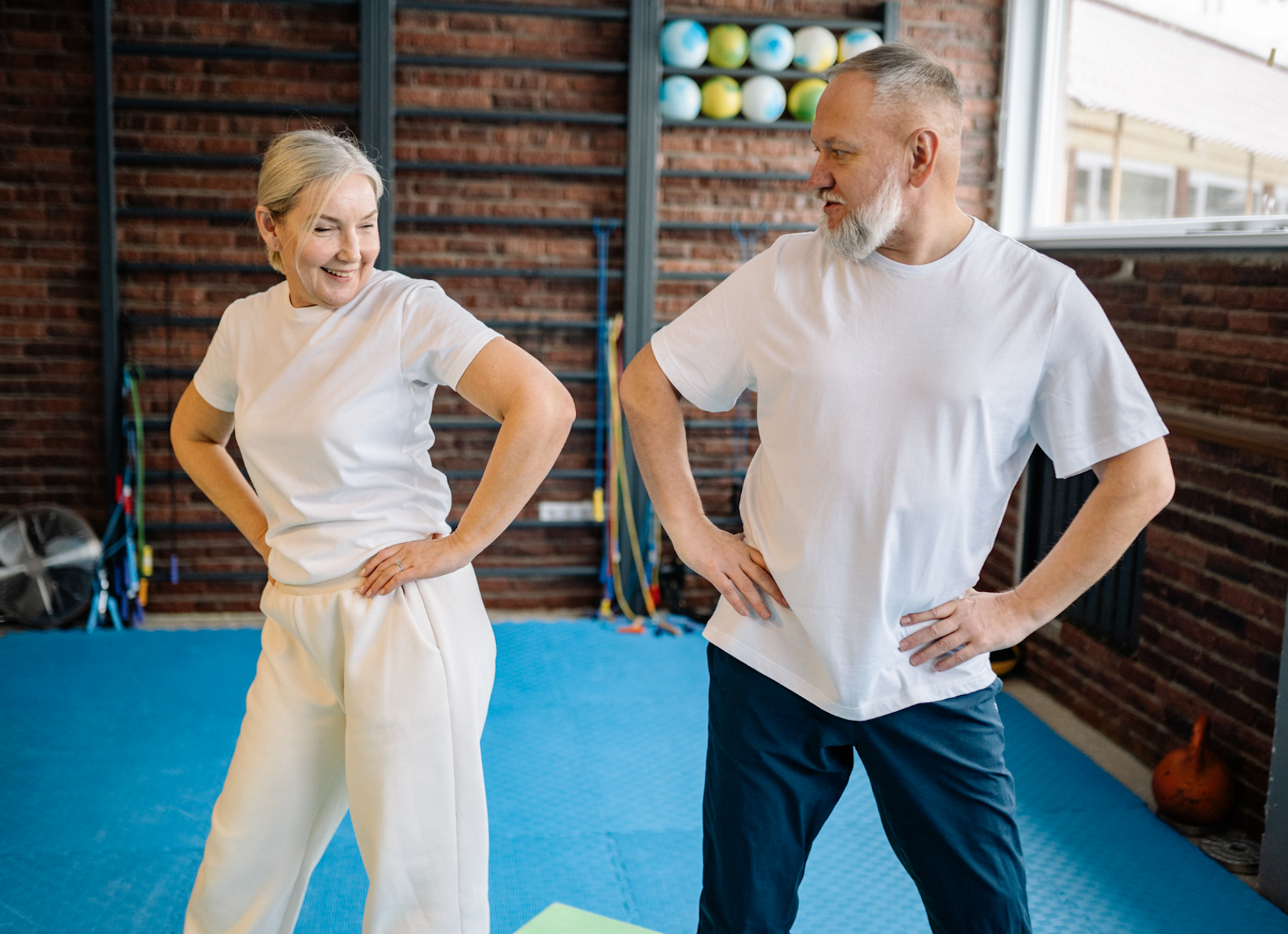
2. Warm Up Before You Move
Think of your body like a car in January; you wouldn't rev the engine immediately after turning the key. Give your body time to wake up.
- Morning Routine: Before getting out of bed, do some gentle leg lifts or knee-to-chest stretches to get blood flowing.
- Before Exercise: If you are planning a walk, spend 5-10 minutes walking around your house or marching in place to increase your body temperature and loosen the synovial fluid in your joints.
3. Stay Hydrated
We often associate dehydration with hot summer days, but winter air is incredibly dry. Hydration is crucial for maintaining the volume and quality of synovial fluid in your joints. Aim to drink water consistently throughout the day, even if you don't feel thirsty. Herbal teas are a great way to stay hydrated and warm simultaneously.
4. Modify Your Exercise Routine
If icy sidewalks make outdoor walking dangerous, it is time to adapt rather than stop.
- Indoor Walking: Local malls or indoor tracks offer safe, flat surfaces.
- Water Aerobics: If you have access to a heated pool, the buoyancy of water takes the weight off your hips while the warmth soothes stiffness.
- Chair Yoga: This is an excellent, low-impact way to maintain flexibility and range of motion without the risk of falling.
5. Focus on Anti-Inflammatory Nutrition
Winter is often the season of comfort foods, which can sometimes be high in sugar and processed fats that trigger inflammation. Try to incorporate foods rich in Omega-3 fatty acids (like salmon or walnuts), colorful vegetables, and spices like turmeric and ginger, which have natural anti-inflammatory properties.
Partnering with Sagewell for Your Joint Health
Sometimes, stiffness is more than just a seasonal annoyance—it can be a sign of underlying osteoarthritis or other hip conditions that require professional attention. You do not have to "tough it out."
At Sagewell Orthopaedics, Dr. Scott Strasburger and our team are dedicated to personalized care. We don't just treat x-rays; we treat people. We partner with you to understand your specific goals, whether that is playing on the floor with grandkids, golfing, or simply navigating your home without discomfort.
We offer a range of solutions, from conservative management strategies and physical therapy guidance to advanced diagnostic imaging. If the time comes to discuss surgical options, we are here to guide you through the latest advancements in technology that may offer faster recovery times and improved outcomes.
Take the Next Step
Winter doesn't have to be a season of limitation. If hip discomfort is holding you back from doing what you love, let's talk.
Ready to feel your best? Contact us today to schedule a consultation with Dr. Strasburger and the Sagewell team. Let’s work together to help you stay active and support your healthy lifestyle.