April 10 2026
True independence is often found in the quiet, simple moments of daily life. It is the ability to easily bend down and pull a stubborn weed from your garden. It is the confidence to carry your groceries up the front steps without a second thought. It is the freedom to get down on the floor to play with your grandchildren and know you can comfortably get back up again.
As we grow older, maintaining this level of movement becomes a top priority. While it is entirely natural for our bodies to change over time, joint stiffness or muscle weakness does not have to be an inevitable part of aging. By adopting a proactive approach to your physical health, you can actively protect your mobility and enjoy a vibrant, active lifestyle for years to come.
At Sagewell Orthopaedics, our care philosophy is rooted in the idea that this is where wisdom meets wellness. We believe that empowering you with the right knowledge and tools is the best way to support your long-term health. Let’s explore how integrating gentle strength training and mobility exercises into your routine may help you maintain your independence, prevent injuries, and elevate your overall quality of life.
Why Muscle Strength Matters for Active Aging
When most people hear the phrase "strength training," they picture heavy weights and intense gym sessions. However, building strength for everyday independence looks very different. It is about conditioning your body to handle the specific physical demands of your daily routine.
As we age, our bodies naturally begin to lose muscle mass, which is a process known as sarcopenia. If we do not actively work to maintain our muscles, they can slowly weaken over time. This gradual loss of strength is often the underlying reason why routine tasks, such as opening a heavy door or standing up from a deep sofa, suddenly feel much more challenging.
Your muscles serve a vital purpose beyond just helping you lift objects. They act as dynamic shock absorbers for your entire skeletal system. Strong quadriceps and hamstrings, for example, help absorb the impact of walking, reducing the amount of stress placed directly on your knee joints. When your muscles are strong, they provide crucial support and stability to your joints, which may help minimize daily aches and reduce the risk of unexpected injuries.
The Vital Connection Between Mobility and Independence
While strength provides the power to move, mobility provides the freedom to move well. Mobility is the ability of a joint to move actively through its full range of motion. It is what allows you to reach your arms comfortably over your head to grab a dish from the top cabinet or twist your torso to look over your shoulder before changing lanes on the highway.
When joints become stiff, we often subconsciously alter our movement patterns to compensate. If your hips are tight, you might start taking shorter, more shuffling steps. If your shoulders ache, you might avoid lifting items altogether. Over time, these small compensations can lead to further weakness and a loss of confidence in your physical abilities.
Combining strength training with targeted mobility exercises is designed to keep your joints moving smoothly. This balanced approach helps ensure your body remains resilient, capable, and ready for whatever the day brings.
Overcoming Common Barriers to Movement
Starting a new exercise routine can feel intimidating, especially if you are currently managing joint discomfort or recovering from a previous injury. Many people avoid strength training because they fear it might aggravate their aches or lead to a new setback.
The key to safe and effective strength building is to start small and progress gradually. Whether you're at home or at the gym, focusing on controlled, mindful movements will allow you to gently wake up your muscles without placing excessive strain on your joints. While your own body weight is a great tool, a gym can offer more variety and equipment to support your fitness goals.
Always remember to listen to your body. Exercise should feel challenging but never painful. If a specific movement causes sharp discomfort, stop immediately. It is always a wise decision to consult with your primary care provider or an orthopaedic specialist before beginning any new physical regimen.
Simple Strength Exercises You Can Try at Home
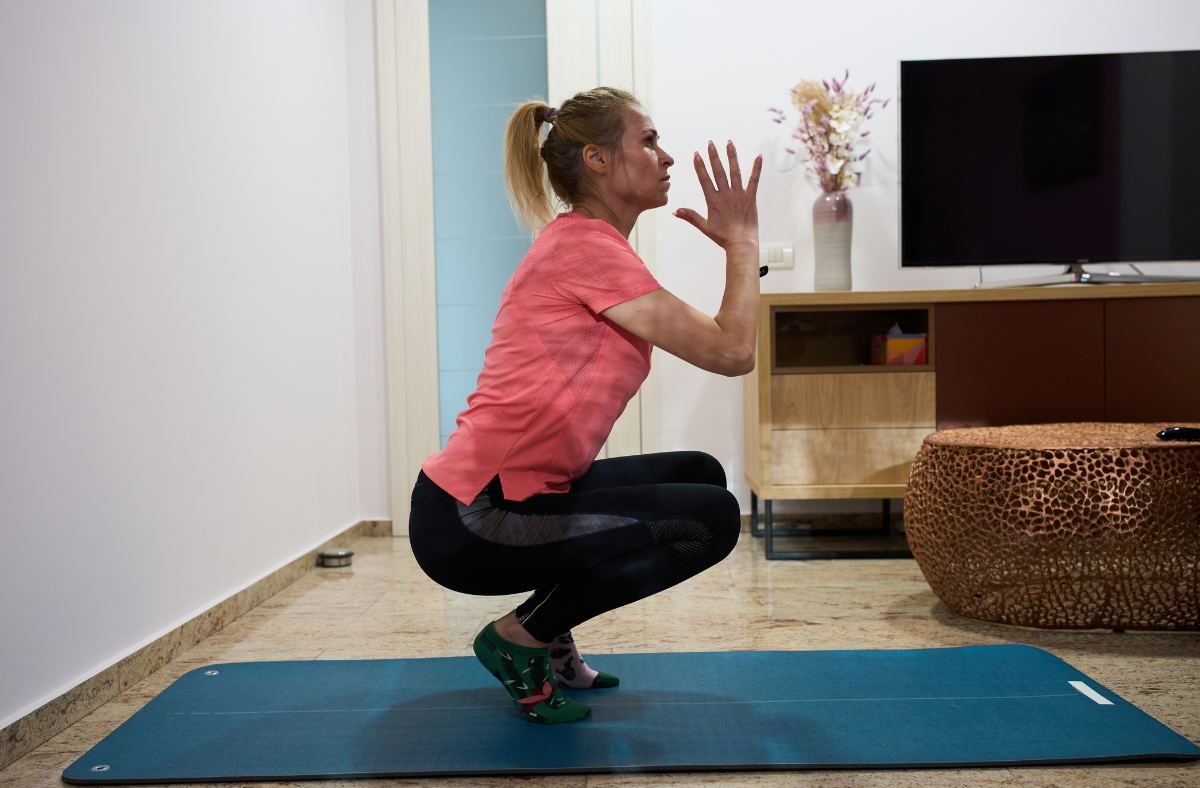
Building strength at home can be incredibly safe and effective. Here are a few foundational exercises designed to target the muscle groups you use most in your daily life. You can perform these exercises right in your living room using just a sturdy chair and a wall.
The Chair Squat (Sit-to-Stand)
This exercise is fantastic for strengthening your quadriceps, glutes, and core muscles. It directly translates to your ability to easily get in and out of chairs, cars, and the bathtub.
- Sit near the front edge of a sturdy, armless chair with your feet flat on the floor, shoulder-width apart.
- Cross your arms lightly over your chest.
- Lean forward slightly from your hips, engage your core, and push through your heels to slowly stand up.
- Pause for a moment at the top, then slowly and with control, lower yourself back down into the chair.
- Aim for 8 to 10 repetitions.
Wall Push-Ups
Maintaining upper body strength is essential for carrying groceries, pushing doors open, and lifting objects safely. Wall push-ups provide the benefits of traditional push-ups without placing heavy strain on your lower back or shoulders.
- Stand facing a clear wall, about arm’s length away.
- Place your hands flat against the wall directly in front of your shoulders.
- Keep your body in a straight line from your head to your heels.
- Slowly bend your elbows to lower your chest toward the wall.
- Press through your palms to gently push yourself back to the starting position.
- Try to complete 10 to 12 repetitions.
Standing Heel Raises
Strong calf muscles are crucial for maintaining your balance and stabilizing your ankles on uneven surfaces.
- Stand behind your sturdy chair and hold onto the backrest for support and balance.
- Keep your back straight and your core engaged.
- Slowly lift both heels off the floor so you are standing on the balls of your feet.
- Hold the position for two seconds, then slowly lower your heels back to the ground.
- Repeat this movement 10 to 15 times.
Seated Leg Extensions
This gentle movement targets the muscles on the front of your thighs, which play a major role in stabilizing and protecting your knee joints.
- Sit comfortably in your chair with your back straight and your feet flat on the floor.
- Slowly straighten your right leg out in front of you until your knee is fully extended.
- Hold your leg straight for a count of three, focusing on squeezing the muscle at the top of your thigh.
- Slowly lower your foot back to the floor.
- Repeat 10 times on your right leg, then switch and perform 10 repetitions on your left leg.
Building a Consistent Routine
Consistency is the secret to unlocking the benefits of strength and mobility training. You do not need to exercise for hours at a time. Setting aside just fifteen to twenty minutes a day, three or four times a week, can lead to remarkable improvements in how you feel and move.
Try pairing your exercises with an existing daily habit. For example, you might decide to do your heel raises while waiting for your morning coffee to brew, or perform a set of chair squats right after watching your favorite evening news program. Integrating movement into your established routine helps turn these healthy choices into automatic habits.
How Sagewell Orthopaedics Supports Your Active Lifestyle
At Sagewell Orthopaedics, Dr. Scott Strasburger and our entire team are deeply committed to helping our Lincoln community stay active, strong, and independent. We understand that joint aches and stiffness can make the idea of exercise feel daunting. You do not have to navigate these challenges alone.
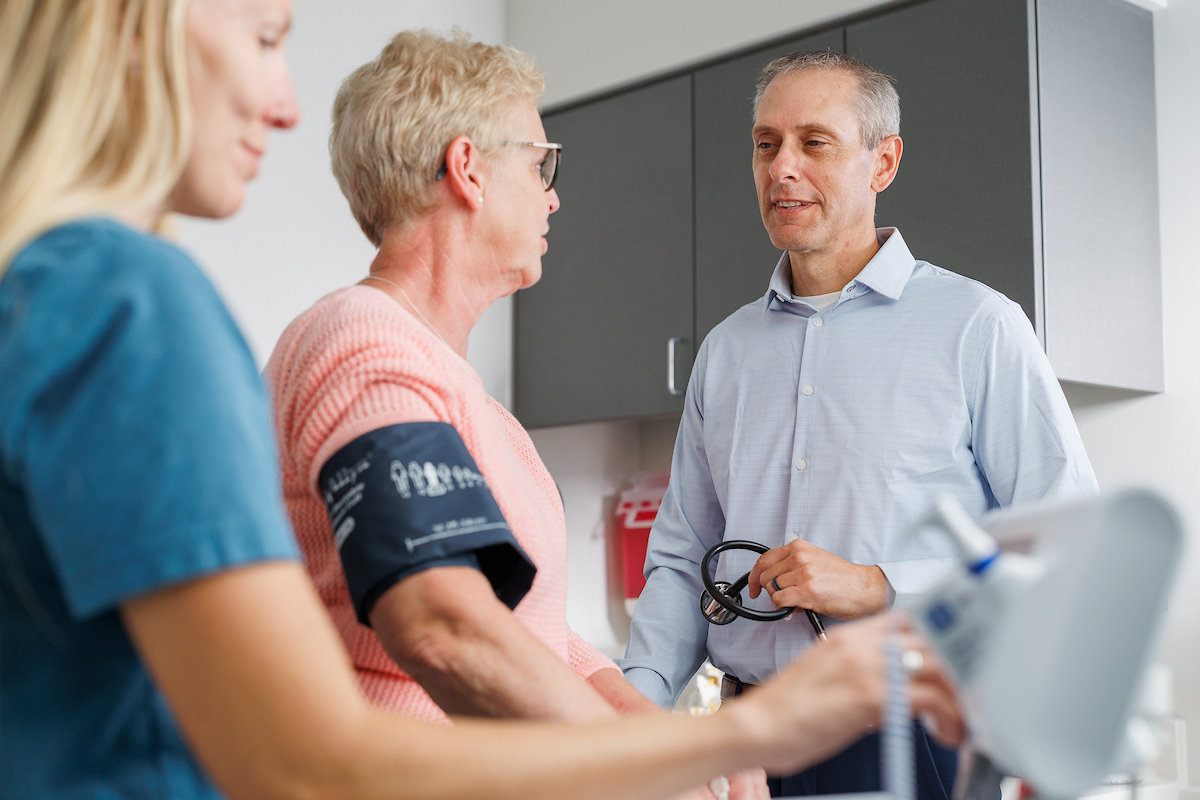
If discomfort is holding you back from moving confidently, we are here to partner with you. We provide highly personalized, comprehensive evaluations to uncover the specific root cause of your joint concerns. Our team focuses on holistic care plans tailored to your unique lifestyle and goals.
We believe in using conservative, non-surgical therapies and protocols to help you rebuild strength and restore healthy joint function. If you have an ongoing soft tissue issue, your body might need an extra boost to recover. In these cases, advanced treatments like Platelet-Rich Plasma (PRP) therapy may help support your body's natural healing process.
For those who eventually require a more advanced approach to knee joint restoration, Dr. Strasburger brings exceptional expertise as the first surgeon in Nebraska to introduce the CORI◊ Robotics-Assisted Surgical System. This state-of-the-art technology is designed to provide incredibly precise, individualized knee procedures aimed at preserving healthy tissue and supporting a more natural-feeling joint.
CORI◊ is a Trademark of Smith & Nephew. Individual results may vary.
Take the Next Step Toward Confident Movement
Investing time in building your physical strength is one of the most rewarding commitments you can make for your future. By staying active and focusing on your joint health today, you are laying the groundwork for a more independent, comfortable tomorrow.
If joint stiffness or lingering aches are making it difficult to perform the activities you value most, it is time to seek answers.
Ready to address your mobility concerns and build a stronger foundation for everyday independence? Schedule a consultation with Dr. Scott Strasburger and our dedicated team. Let us help you move forward with confidence and embrace the active lifestyle you deserve.