
April 22 2026
With warmer weather already here in Nebraska, our local fields, tracks, and courts are coming back to life. Spring signals a fresh start for athletes of all levels. Whether you are a high school athlete gearing up for track season, a weekend warrior joining a community softball league, or simply someone eager to get back to your daily neighborhood jogs, the change in season brings a renewed excitement for movement.
However, transitioning from a cozy, less active winter straight into high-intensity spring sports can put a significant strain on your body. When enthusiasm outpaces physical preparation, your joints, tendons, and ligaments often pay the price.
At Sagewell Orthopaedics, our philosophy is simple: this is where wisdom meets wellness. We want to help you enjoy every moment of your spring training. By understanding how to protect your joint health and recognizing when to seek professional support, you can safely navigate the season. Let’s explore actionable strategies to prevent injuries and learn how our dedicated sports medicine team can help you stay in the game.
The Winter to Spring Transition: Why Preparation Matters
During the colder months, many of us naturally scale back our physical activity. Even if you maintain an indoor workout routine, the specific demands of outdoor sports, such as sprinting on uneven grass, swinging a bat, or making sudden lateral cuts on a soccer field, require different muscle engagements and joint stability.
When you ask a resting body to perform complex, high-impact movements without proper conditioning, the risk of injury rises. Tendons may lack their usual elasticity, and supporting muscles might not have the strength needed to absorb shock. This sudden jump in activity often leads to common issues like tendonitis, muscle strains, ligament sprains, and generalized joint discomfort.
Taking a thoughtful, gradual approach to spring training helps your body adapt safely. Preparing your joints for the season is the best way to ensure you spend your spring playing, rather than recovering on the sidelines.
Essential Injury Prevention Strategies
Protecting your joint health does not mean holding back during your favorite sports. It simply means training smarter. Implementing a few fundamental habits into your athletic routine may help support your structural health and enhance your overall performance.
Start with a Dynamic Warm-Up
A proper warm-up is your first line of defense against athletic injuries. Instead of holding static stretches, like trying to touch your toes for thirty seconds, focus on dynamic movements. Dynamic stretching involves active movements that take your joints through their full range of motion.
Activities like arm circles, high knees, leg swings, and gentle lunges help increase blood flow to your muscles. This process literally warms up your body, increasing the elasticity of your soft tissues and preparing your joints for the impact of the game.
Follow the Ten Percent Rule
One of the most common mistakes athletes make is trying to pick up exactly where they left off at the end of last season. To prevent overuse injuries, adopt the ten percent rule. This guideline suggests that you should never increase your training intensity, duration, or distance by more than ten percent per week.
If you are running, for example, and you run ten miles your first week back, limit your second week to eleven miles. This gradual progression gives your bones, joints, and muscles the time they need to rebuild strength and adapt to new physical demands.
Prioritize Proper Gear and Footwear
Your athletic equipment plays a massive role in joint health, and footwear is especially critical. Running shoes, cleats, and court shoes lose their shock-absorbing capabilities over time, even if they still look perfectly fine on the outside.
Worn-out shoes force your knees, hips, and ankles to absorb the excess impact of every step. Start the spring season by evaluating your footwear. Investing in a pair of shoes that provides adequate arch support and cushioning tailored to your specific sport can significantly reduce joint strain.
Hydrate for Joint Lubrication
We often associate hydration with maintaining energy and preventing muscle cramps, but drinking enough water is equally important for your joints. Your cartilage, the smooth tissue that cushions the ends of your bones, is composed mostly of water. Proper hydration helps maintain the synovial fluid that lubricates your joints, allowing them to glide smoothly and reducing friction during repetitive movements.
Embrace Active Rest and Recovery
Rest is not a sign of weakness; it is a vital component of athletic training. Your muscles and tissues repair and strengthen themselves during periods of rest. Incorporating active recovery days, such as light walking, gentle yoga, or swimming, keeps blood flowing to sore areas without adding unnecessary stress. Always listen to your body and give yourself permission to take a day off if you feel unusually fatigued or stiff.
Recognizing the Difference Between Soreness and Injury
A certain amount of muscle soreness is perfectly normal when you start a new spring sport. This phenomenon, known as delayed onset muscle soreness (DOMS), usually peaks a day or two after a workout and gradually fades.
However, it is crucial to recognize when discomfort crosses the line into a potential injury. You should pay close attention if you experience:
- Sharp, sudden twinges during specific movements
- Swelling or visible inflammation around a joint
- Discomfort that is localized strictly to a joint line (like the side of the knee or the point of the shoulder)
- Aches that do not improve after a few days of rest and ice
Pushing through these warning signs often turns a minor issue into a chronic problem. Early evaluation is key to a swift recovery.
Sport-Specific Joint Considerations
Different spring sports place unique demands on your body. Understanding the specific risks associated with your favorite activity can help you tailor your preventative care.
Baseball, Softball, and Tennis: Overhead Demands
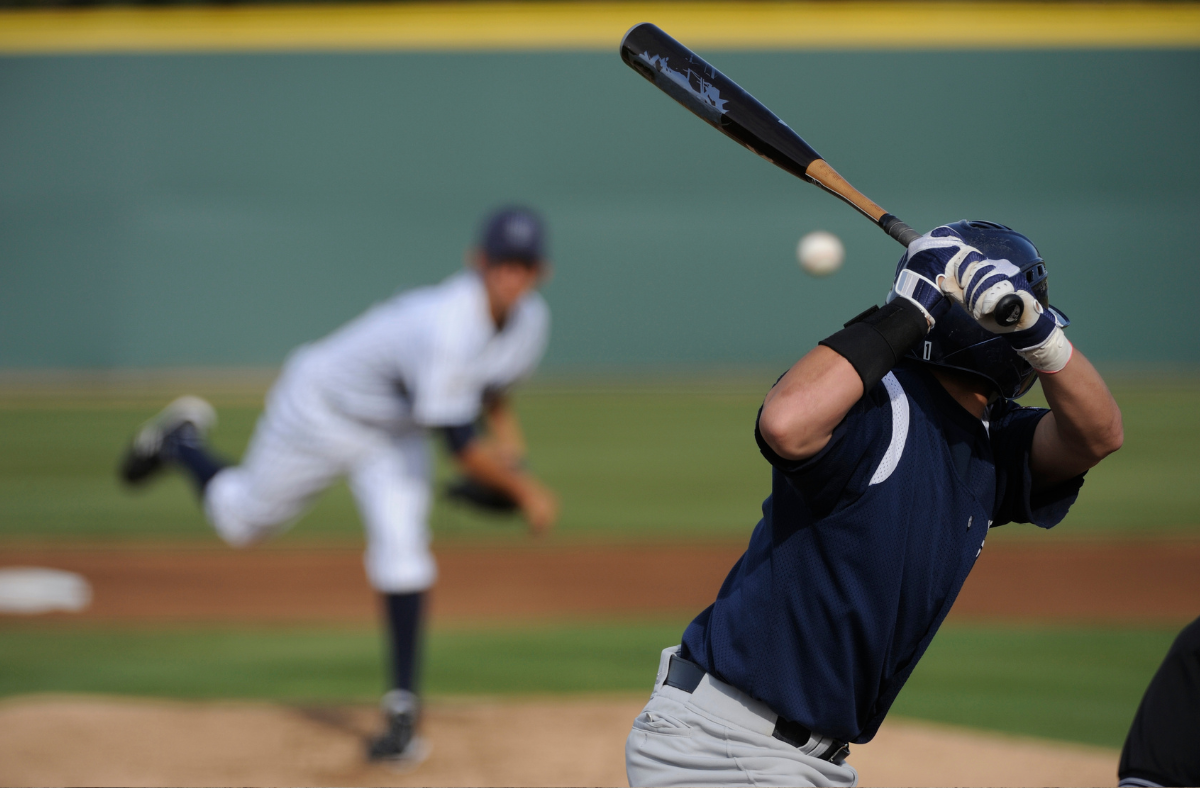
Sports that require throwing or serving heavily recruit the shoulder and elbow joints. The repetitive, high-velocity motion of an overhead throw can stress the rotator cuff and the ligaments in the elbow. If you participate in these sports, prioritize exercises that strengthen the muscles in your upper back and core, which help stabilize the shoulder capsule.
Soccer, Track, and Lacrosse: Lower Extremity Impact
Field and track sports demand a lot from your lower body. Sudden stops, pivoting, and sprinting place immense pressure on the knees, ankles, and hamstrings. Building strong quadriceps, hamstrings, and calf muscles acts as a natural brace for your knees, while balance training can help support ankle stability on uneven grass fields.
How Sagewell Orthopaedics Can Help Keep You in the Game
Even with the best preparation, unexpected sports injuries can happen. When they do, you need a partner who understands both your physical needs and your athletic goals. Dr. Scott Strasburger brings decades of sports medicine experience to our Lincoln community. As a former Cornhusker football player himself, he intimately understands the drive to compete and the frustration of being sidelined.
At Sagewell Orthopaedics, we offer comprehensive, patient-centered care designed to help you regain your strength and mobility. We focus on identifying the root cause of your discomfort to build a personalized treatment plan.
Expert Athletic Training, On and Off the Field
Our athletic training team, including Casey R. Scott, MAT, LAT, ATC, CNC, Megan Neemann, MS, LAT, ATC, and Mike Livergood, MS, ATC, CSCS, plays a vital role in every stage of recovery and injury prevention. Their personalized support, whether on the field or in the clinic, helps athletes and active individuals progress safely and confidently through every phase of training, rehabilitation, and return to play.
Advanced Non-Surgical Options
We believe in exploring conservative therapies whenever possible. If you are dealing with a lingering soft tissue issue, Platelet-Rich Plasma (PRP) therapy may offer a unique path to recovery. By utilizing your body’s own growth factors, PRP therapy is designed to support the repair of injured tendons and ligaments, potentially accelerating the healing process naturally.
Innovative Comfort Management
If joint discomfort is limiting your ability to train, the iovera° system provides an innovative approach to relief. This targeted cold therapy cools specific nerves to help block discomfort signals. It is a fantastic option for individuals exploring alternatives to traditional pain management, helping you stay comfortable while you recover.
State-of-the-Art Surgical Solutions
When surgery is the best path forward for a severe knee issue, you want the highest level of precision available. Dr. Strasburger was the first surgeon in Nebraska to introduce the CORI◊ Robotics-Assisted Surgical System. This advanced technology allows us to create a 3D digital model of your unique knee anatomy, aiming to provide highly individualized partial and total knee replacements. This tailored approach is designed to preserve healthy tissue and support a more natural-feeling knee as you return to your active life.
CORI◊ is a Trademark of Smith & Nephew. Individual results may vary.
Step Into Spring with Confidence
Spring sports bring communities together and provide a wonderful outlet for physical and mental health. By taking proactive steps to protect your joints, warming up properly, and listening to your body, you can make the most of this vibrant season.
Do not let joint stiffness or a lingering sports injury dictate your spring schedule. If you are experiencing discomfort that limits your movement, the team at Sagewell Orthopaedics is here to help you get back on track.
Ready to address your joint health and prepare for a great season? Schedule a consultation with Dr. Scott Strasburger and our expert team today. Let us help you move forward with confidence, strength, and the freedom to stay in the game.