
October 5 2026
Every jump shot, every sprint down the sideline, every step on your morning walk depends on a part of your body you probably never think about. Tendons quietly link your muscles to your bones, turning muscle effort into real movement. When they are strong and resilient, you barely notice them. When they are overworked, they make their presence known.
Whether you are a young athlete gearing up for a big season or an adult who refuses to slow down, understanding your tendons may be one of the smartest investments you can make in your long-term activity. Let's look at how tendons work, why they sometimes struggle, and what you can do to keep them ready for whatever comes next.
What Are Tendons, Really?
Think of tendons as the body's tow ropes. These tough, fibrous cords are made mostly of collagen, a protein that gives them impressive strength. Some tendons, like the Achilles tendon at the back of your ankle, can handle forces several times your body weight when you run or jump.
Every time a muscle contracts, it pulls on a tendon, and that tendon pulls on a bone. That simple chain reaction powers everything from throwing a football to lifting a bag of groceries.
Tendons are strong, but they are not built exactly like muscles. They receive less blood flow, which means they tend to adapt more slowly to new demands. Muscles may feel stronger after a few weeks of training, while tendons often need more time to catch up. That gap is where many overuse concerns begin.
Understanding Overuse: Tendinitis and Its Relatives
When a tendon is asked to do too much, too fast, or too often, it can become irritated. You may hear this called tendinitis, which refers to inflammation of the tendon. In some cases, especially with longer-lasting concerns, providers use the term tendinopathy to describe changes in the tendon tissue itself.
Some of the most common trouble spots include:
- Achilles tendon: Often linked to running, jumping, and sudden increases in activity
- Patellar tendon: Sometimes called "jumper's knee," common in basketball and volleyball players
- Rotator cuff tendons: Frequently affected by repetitive overhead motions like throwing, swimming, or painting a ceiling
- Elbow tendons: The source of tennis elbow and golfer's elbow, which affect plenty of people who have never touched a racket or club
The common thread? Repetition without enough recovery. Tendons usually do not give out from one big moment. More often, small stresses build up over time until the tendon starts sending signals.
Signs Your Tendons May Be Asking for Attention
Your body is pretty good at communicating, as long as you listen. Tendon irritation often shows up as:
- An ache near a joint that builds during or after activity
- Stiffness, especially first thing in the morning
- Tenderness when you press on the area
- Mild swelling or warmth
- A feeling of weakness when you push off, grip, or lift
Many people try to "play through it." That approach may turn a minor issue into a stubborn one. Catching these signs early can support a smoother path back to the activities you love.
For Young Athletes Ramping Up
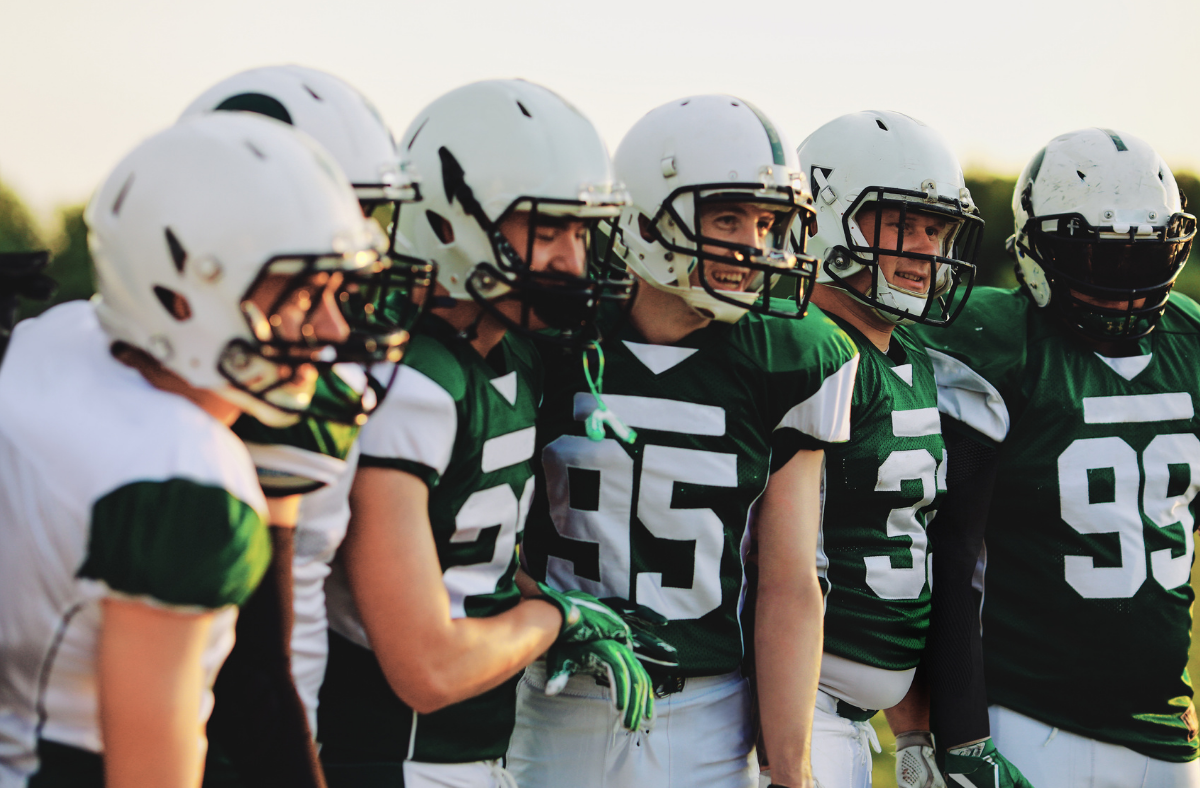
The start of a season is exciting. It is also when tendons face some of their biggest tests. Going from a relaxed summer to daily practices and games can be a big jump for growing bodies.
A few habits may help young athletes stay in the game:
- Build up gradually. Increasing training time or intensity a little at a time gives tendons a chance to adapt alongside muscles.
- Respect rest days. Recovery is not a sign of weakness. It is part of getting stronger.
- Mix it up. Playing more than one sport or adding cross-training can reduce repetitive strain on the same tendons.
- Check your gear. Worn-out shoes or poorly fitting equipment can change how forces travel through your body.
- Speak up. Coaches and parents can only help if they know something feels off.
Growth spurts add another layer. When bones grow quickly, tendons and muscles can feel tighter for a while, which may make young athletes more prone to irritation. Patience and smart training go a long way during these phases.
For Active Adults Staying in Motion
Staying active as the years go by is one of the best things you can do for your health. It does come with a few new considerations. With age, tendons naturally lose some elasticity and may take longer to bounce back after demanding activity.
That does not mean you have to slow down. It means you get to train smarter:
- Warm up with intention. A few minutes of light movement before pickleball, golf, or a long hike can prepare your tendons for the work ahead.
- Add strength training. Controlled, progressive strength work may help tendons become more resilient over time.
- Balance intensity. Alternating harder days with lighter ones gives your body time to recover.
- Pay attention to new routines. Starting a new sport or ramping up yard work? Ease in rather than diving in all at once.
Many of the most active people we see are in their 50s, 60s, and beyond. With the right approach, your tendons can keep up with your ambitions.
Everyday Habits That Support Resilient Tendons
No matter your age, a few simple practices can support tendon health:
- Move consistently. Tendons tend to respond well to regular, steady activity rather than bursts of weekend-only effort.
- Prioritize sleep. Your body does much of its recovery work while you rest.
- Fuel well. A balanced diet with enough protein, plus vitamin C from fruits and vegetables, plays a role in supporting healthy collagen.
- Stay hydrated. Every tissue in your body works better when you are well hydrated.
- Stretch and strengthen. Flexibility and strength work together to help tendons handle everyday demands.
Small choices, repeated over time, can make a real difference in how your body feels and performs.
When to Talk With a Specialist
Some tendon irritation settles down with rest and a few adjustments. Other times, it lingers. It may be time to schedule a visit if you notice:
- Discomfort that lasts more than a couple of weeks despite rest
- An ache that wakes you up at night
- Noticeable swelling, weakness, or loss of motion
- A sudden pop or sharp sensation during activity
Getting answers early can open up more options and help you avoid guessing your way through recovery.
How Sagewell Orthopaedics Can Help
At Sagewell Orthopaedics, we believe great care starts with listening. Dr. Scott Strasburger takes the time to understand how your concern started, what activities matter most to you, and what goals you want to reach. That full picture shapes a plan built around your life, not a one-size-fits-all checklist.
Depending on your needs, that plan may include activity changes, targeted physical therapy, bracing, or advanced options such as platelet-rich plasma (PRP) therapy, which may help support the body's natural repair process for certain tendon concerns. Dr. Strasburger and our team stay focused on what is next for you, combining years of experience with thoughtful, forward-looking care.
From high school athletes chasing a championship to grandparents keeping up with the grandkids, we are proud to help our Lincoln community keep moving with confidence.
Keep Your Connectors Strong
Your tendons work hard for you every single day. Give them a little attention now, and they may reward you with seasons of movement ahead. Whether you are lacing up for your first practice or heading out for your favorite trail, smart habits and expert guidance can help you stay active on your own terms.
If an ache is holding you back, schedule a consultation with Dr. Scott Strasburger and the Sagewell Orthopaedics team. We are here to help you take the next step, because at Sagewell, this is where wisdom meets wellness.
Learn more about common sports injuries and how we can help: https://sagewellmed.com/common-sports-injuries