
September 2 2026
Fall sports season is almost here, and you can feel the energy building. New cleats sit by the door. Team colors come out of storage. Group chats light up with practice schedules. But before your athlete sprints onto the field or takes the court, there is one step that quietly sets the tone for everything ahead: the sports physical.
Think of it as the foundation beneath a great season. In this article, we will walk through what happens during a sports physical, why it matters before that very first practice, and how a small bit of preparation now can pay off in confidence, safety, and performance all season long. Whether your athlete lives for Friday night football, chases every volleyball rally, cheers from the sidelines, or logs mile after mile in cross country, this read is for you.
What Is a Sports Physical, Really?
A sports physical, sometimes called a preparticipation exam, is a focused checkup designed to make sure a young athlete is ready for the physical demands of their sport. It is not the same as a routine annual visit, though it can happen at the same time. The goal here is simple and powerful: help your athlete compete safely and confidently.
Picture the season ahead. Now imagine starting it knowing your body is prepared for the work. That peace of mind is exactly what a sports physical delivers.
What happens during the exam
Most sports physicals have two clear parts. Here is what your athlete can expect:
- The health history review. You will answer questions about past injuries, illnesses, allergies, and any family history that matters. This is often the most important part, so be thorough and honest.
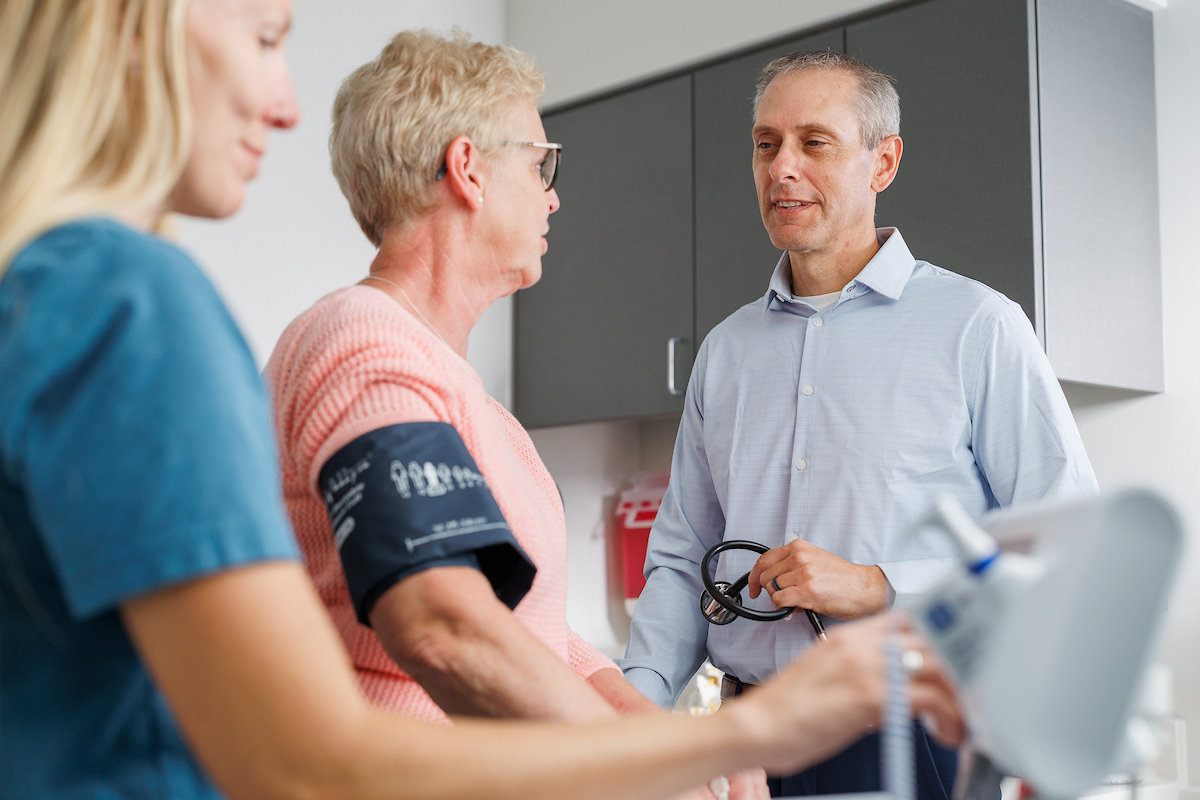
- The physical exam. The provider checks height, weight, blood pressure, vision, heart, lungs, joints, flexibility, and overall strength.
- A movement check. Expect a look at how joints move and how stable they feel, since this reveals a lot about injury risk.
- A conversation. Your provider will talk through any concerns and offer guidance tailored to your athlete's sport.
Bottom line: A sports physical is a quick, thorough snapshot of your athlete's readiness. It rarely takes long, but the value it delivers lasts the whole season.
Why It Matters Before the First Practice
Why not just wait and see how things go? Because the smartest preparation happens before the whistle blows, not after an injury sidelines the fun.
A sports physical helps spot small issues before they grow into big ones. An old ankle sprain that never fully healed. Tight hips that raise injury risk. A heart or breathing concern worth a closer look. Catching these early means your athlete can address them now and step onto the field with confidence instead of uncertainty.
There is a practical side too. Most Nebraska schools and leagues require an up-to-date physical before an athlete can participate. Scheduling early means no last-minute scramble the week before tryouts.
A quick example
Imagine a sophomore linebacker who tweaked his knee last spring. It felt "mostly fine," so he never mentioned it. During his sports physical, his provider notices some instability and recommends a few targeted strengthening exercises. Fast forward to October, and that same athlete is playing his best football yet, stronger and steadier because of one smart appointment in August.
That is the kind of transformation a little preparation makes possible.
Sport by Sport: What to Keep in Mind
Every fall sport asks something different of the body. A sports physical helps tailor preparation to those demands.
Football
Football tops the list for good reason. The sport combines speed, contact, and explosive movement, which puts real stress on knees, shoulders, ankles, and the head and neck. A sports physical gives providers a chance to check joint stability, review any concussion history, and make sure your athlete is built to absorb the season's physical demands. For football families, this step is not optional in spirit. It is one of the most valuable things you can do before pads go on.
Volleyball
Volleyball players jump, dive, and swing thousands of times across a season. That repetitive motion loads the shoulders, knees, and ankles. A physical helps check flexibility and joint strength so your athlete can spike and dig without setbacks.
Cheerleading
Cheerleading blends power, flexibility, and precision, often with lifts and tumbling that demand serious core and joint stability. A sports physical looks at strength, balance, and past injuries so your athlete can perform every stunt with confidence.
Cross Country
Cross country runners cover big miles on varied Nebraska terrain. That endurance work can strain knees, shins, and feet over time. A physical helps flag overuse concerns early and offers guidance on training smart, so your runner finishes the season as strong as they started.
How to Prepare for the Appointment
A little prep makes the visit smoother and more useful. Here is a simple checklist to bring your athlete in ready:
- Gather health history. Note past injuries, surgeries, medications, and any family heart or health concerns.
- List current symptoms. Mention any lingering aches, dizziness, or breathing trouble, even if they seem minor.
- Wear the right clothes. Comfortable athletic wear makes the movement checks easy.
- Write down questions. Curious about a nagging joint or a training plan? Bring it up.
- Schedule early. Aim for a few weeks before the season so there is time to address anything that comes up.
Takeaway: The more open and prepared you are, the more your athlete gets out of the visit.
Avoid These Common Pitfalls
Even well-meaning families slip into a few habits worth skipping. Watch out for these:
- Waiting until the last minute. A rushed physical the night before tryouts leaves no time to act on findings.
- Downplaying old injuries. That "minor" sprain from last season may be exactly what needs attention.
- Skipping the history questions. The conversation matters as much as the exam. Share the full picture.
- Treating it as a formality. A sports physical is a genuine opportunity to protect your athlete's health and future.
Setting Up a Season of Confidence
Here is the bigger picture. A sports physical is not just a box to check. It is an investment in a safer, stronger, more confident athlete. When young players know their body is ready, they compete with more freedom and more joy. That is the season every parent and athlete hopes for.
Dr. Scott Strasburger and the Sagewell Orthopaedics team believe a little preparation now supports a healthier season ahead. We love seeing Nebraska's young athletes chase their goals, and we are proud to help them start on the right foot.
Ready for Kickoff? Start Here
Fall sports season is a chance to grow, compete, and make memories that last far beyond the final whistle. A sports physical helps make sure your athlete steps into that season safe, prepared, and confident. Football, volleyball, cheerleading, cross country, whatever the sport, the right foundation makes all the difference.
Give your athlete the strongest possible start. Learn more about getting fall sports ready with a sports physical and let the Sagewell team help you build a season to remember.